
- Region and Language
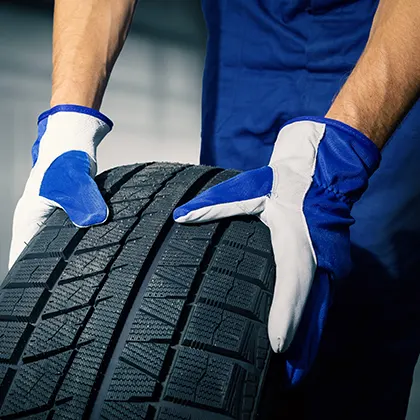
Staying ahead of tire maintenance isn’t just about tread depth—it’s about keeping drivers safe, reducing liability, managing costs, and avoiding downtime. In this article, we explore how proactive tire changes protect fleets from risk, lower fuel and insurance expenses, and keep your business rolling smoothly, no matter the season.
Replacing worn or damaged tires on time helps reduce safety risks and unplanned downtime.
Maintaining correct tire pressure can reduce fuel consumption and help extend tire life.
Unsafe tires can increase collision risk, liability and insurance exposure.
Seasonal tire planning should account for provincial requirements, vehicle classes and local driving conditions.
Regular inspections and smoother driving habits help identify problems early and reduce unnecessary tire wear.
If it’s true that ‘an ounce of prevention is worth a pound of cure,’ then nowhere is that wisdom more relevant than when it comes to fleet tire service and maintenance. For fleet managers, changing tires isn’t just another maintenance checklist item. It’s a preventive step that keeps drivers safe, vehicles running, and operations profitable. Waiting until tires fail is like ignoring a small leak until the basement floods. By then, the damage is already done.
So, let’s talk about when and why tire changes matter, and how a proactive approach to commercial fleet maintenance saves both money and headaches.
Knowing when to replace tires can help fleet managers reduce safety risks, avoid unexpected downtime and get more value from their tire investments. Here are five factors to consider:
Temperature: Plan winter tire installation before sustained temperatures drop below 7°C, when all-season and summer tires begin to lose traction.
Tread and damage: Inspect tires for worn tread, cuts, bulges, cracking and uneven wear. Follow manufacturer recommendations and applicable legal requirements when determining replacement thresholds.
Tire pressure: Check cold tire pressure against the vehicle manufacturer's specifications. Underinflated tires can increase fuel consumption, accelerate wear and affect handling.
Provincial requirements: Check winter tire regulations for each operating province and vehicle class. Quebec, for example, has mandatory winter tire requirements for many vehicles, with certain exemptions.
Operational needs: Schedule seasonal changes by location and vehicle priority to avoid taking too many vehicles out of service at once.
A documented tire maintenance policy can help fleet teams make consistent replacement decisions while accounting for different vehicles and operating conditions.
Tires are the only part of a vehicle in direct contact with the road, making their condition critical to safe driving. Worn tread, improper inflation and tire damage can reduce traction, affect handling and increase stopping distances, particularly in wet, snowy or icy conditions.
For Canadian fleets, seasonal changes add another consideration. Winter tires are designed to maintain flexibility and provide better traction in colder temperatures, while all-season tires can lose effectiveness as temperatures drop. Choosing the right tires for local conditions helps drivers maintain control when roads become more challenging.
Regular inspections and timely replacements can also help prevent tire failures that put drivers at risk and leave vehicles stranded. By identifying problems before they become serious, fleet managers can support safer operations while reducing avoidable roadside emergencies.
Winter tire requirements vary across Canada, making it important for fleet managers to understand the rules that apply to their vehicles.
In Quebec, winter tires are generally mandatory from December 1 to March 15 for vehicles registered in the province, including rental vehicles. However, exemptions apply to certain vehicle classes, including heavy vehicles and utility vehicles.
Fleet managers should confirm the requirements for each vehicle class and operating province before scheduling seasonal changes. Even where winter tires aren't legally required, local weather and road conditions should guide tire selection.
For more information, consult Quebec's official winter tire requirements (opens in a new tab).
While tires carry a price tag, neglect is far more expensive. Proactive tire management improves , reduces breakdowns, and extends tire life.
Better fuel economy: Underinflated or unevenly worn tires force engines to work harder. Just one underinflated tire can increase fuel use by about 4%. (opens in a new tab) Multiply that across a fleet, and it’s a big hit to the fuel budget.
Longer tire lifespan: Proper inflation, rotation, and alignment can extend tire life by thousands of kilometers.
Fewer emergencies: A single highway blowout can cost upwards of $2,000 when you add roadside service, towing, replacement, and lost driver hours. Compared to that, replacing a tire a little earlier is a bargain.
In short, fleet vehicle maintenance that includes regular tire changes keeps costs predictable and operations efficient.
Changing hundreds or thousands of tires across a fleet is no small job. The key is planning ahead to plan commercial fleet maintenance in phases. Schedule tire changes in rotation, staggering appointments so you don’t pull too many vehicles off the road at once.
Many fleet management companies often partner with mobile tire vendors or offer off-hour maintenance windows, minimizing operational disruption. Treat tire changes the same way you treat oil changes – routine, scheduled, and non-negotiable.
The payoff? Less downtime, fewer disruptions, and a fleet that’s ready to roll when customers are counting on you.
Tire wear isn’t just about mileage, it’s also about how vehicles are driven. Hard braking, rapid acceleration, and cornering at high speeds can burn through tread quickly. Aggressive driving shortens tire life and undermines fleet efficiency.
That’s why driver training and telematics are vital tools in fleet tire management. Coaching drivers on smoother, more anticipatory driving not only extends tire life but also improves fuel efficiency and safety. Many fleets use , then provide coaching based on those insights.
Equally important: make tire checks part of every driver’s daily inspection. Monitoring pressure, tread depth, and visible damage catches problems before they lead to breakdowns. This “shared responsibility” approach strengthens your overall fleet maintenance culture.
A consistent tire maintenance program helps fleet managers identify problems early, coordinate service and reduce unexpected downtime. Here are five practices to build into your fleet operations:
Establish inspection procedures. Follow manufacturer recommendations and applicable pre-trip inspection requirements. Make sure drivers know what to look for and how to report concerns.
Monitor tire condition. Use maintenance records and service inspections to identify recurring wear patterns or vehicles requiring additional attention.
Keep accurate records. Track tire replacements, repairs and related costs to identify trends and support maintenance planning.
Coordinate seasonal service. Schedule appointments by location and vehicle priority to minimize operational disruptions.
Coach drivers on tire care. Encourage smooth acceleration, braking and cornering to help reduce unnecessary wear.
When it comes to fleet tire service, the lesson is simple: don’t wait. Changing tires before they’re unsafe, scheduling replacements ahead of deadlines, and training drivers to protect tire health all contribute to safer, more efficient operations.
For fleet managers and commercial fleet operators, proactive tire management isn’t just about rubber, it’s about people, performance, and profitability. Keeping up with fleet vehicle maintenance ensures you’re not just meeting compliance standards but also leading the way in safety and reliability.