
- Region and Language
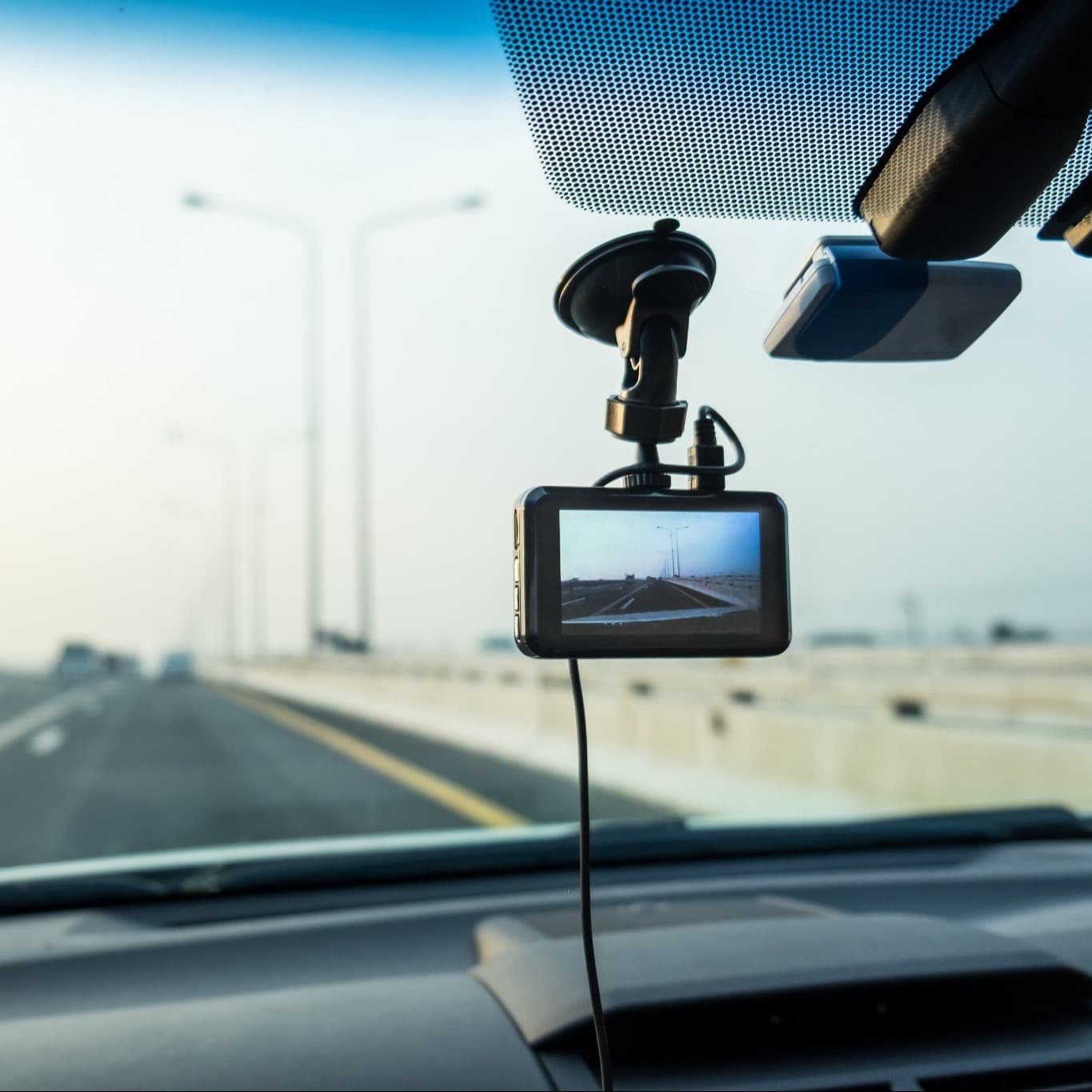
Fleet dash cams and telematics can give fleet teams better visibility into how vehicles are being driven. In a recent episode of , Jennifer Pemberton, Senior Manager of Fleet and Routing at Alsco Uniforms, shared how telematics data helped uncover excessive idling, bring more minor accidents into view, and give drivers real-time feedback on behaviours like cell phone use and seat belt compliance.
Telematics can reveal hidden issues: Telematics data can expose behaviours such as excessive idling that may otherwise remain hidden within overall fuel costs.
More accident reports can mean better visibility: An increase in reported minor incidents may indicate that a fleet is capturing events that previously went unreported, rather than a decline in safety performance.
Real-time feedback can change behaviour: In-cabin alerts can give drivers an opportunity to correct behaviours such as cell phone use and speeding.
Data needs a follow-up process: Coaching workflows and clear accountability help turn dash cam data into actions that can improve driver safety.
Telematics can reveal hidden issues: Telematics data can expose behaviours such as excessive idling that may otherwise remain hidden within overall fuel costs.
More accident reports can mean better visibility: An increase in reported minor incidents may indicate that a fleet is capturing events that previously went unreported, rather than a decline in safety performance.
Real-time feedback can change behaviour: In-cabin alerts can give drivers an opportunity to correct behaviours such as cell phone use and speeding.
Data needs a follow-up process: Coaching workflows and clear accountability help turn dash cam data into actions that can improve driver safety.
“We never really had true visibility around our fleet data before.”
Before installing the dash cam and telematics system, Jennifer's team didn’t have a way to capture how much time vehicles were spending idling. The system provided telematics data, giving the team visibility into vehicle information it had not been able to see before.
During the first full month, Alsco found that its vehicles were idling approximately 40% of the time. Three months later, the fleet had reduced that figure by nearly half. That mattered even more because Alsco was spending about $2.6 million a month on fuel.
Fleet leaders naturally want accident numbers to go down after introducing a new safety program. That is why one of Alsco's early results initially seemed surprising. Jennifer said the fleet saw an increase in accident claims after deploying the dash cams. But a closer look told a different story. Minor accident reports had increased, while more severe accidents had decreased.
The cameras were simply giving the fleet better visibility. Before the rollout, a small bump or scrape might have gone unreported. With crash alerts, the fleet receives a notification when an incident occurs, creating more accountability around reporting.
That means an increase in reported accidents does not necessarily mean safety performance is getting worse. Sometimes, it means the fleet finally has a more complete picture of what is happening on the road. That visibility matters because even minor events can provide useful information. Fleets can identify patterns, address damage earlier, and understand which driving behaviours may require additional attention.
The dash cams also give drivers feedback while they are still behind the wheel. If the system detects something like cell phone use, speeding or another unsafe behaviour, the driver can receive an alert and correct it right away.
Jennifer described watching footage where a driver was not wearing a seat belt. The alert went off, the driver looked toward the camera and then put the seat belt on. Since those alerts were enabled, the fleet has seen a dramatic decrease in seat belt issues and cell phone use.
Cell phone use and are concerns for every business with employees on the road. Drivers are operating large vehicles on busy routes, so safer driving helps protect the person behind the wheel and everyone else on the road.
Fleet dash cameras make those behaviours easier to identify and address. Instead of sending broad reminders about distracted driving, supervisors can work from actual alerts and incidents. That gives them a better picture of .
“What do we do with all this information?”
That was one of the questions Alsco faced as more data started coming in.
When the dash cam platform detects a critical safety behaviour, it can notify the driver’s supervisor. The supervisor can then coach the driver and acknowledge the conversation in the system. This gives supervisors a way to follow up on repeated behaviours that may need more attention.
For Alsco, the biggest change has been visibility. Jennifer’s team can now see behaviours it could not measure before, including idling. It can capture minor incidents that might otherwise have gone unreported and give drivers immediate feedback when unsafe behaviour is detected.
One fleet was dealing with inefficient routing, excessive idling and rising maintenance costs, but had limited visibility into driver behaviour and vehicle health. Element helped put a telematics program in place with dashboards and real-time alerts to make those issues easier to see and act on. The result was a 35% reduction in idle time and a 22% decrease in fuel spend. If you’re exploring dash cams and telematics for your fleet, .