
- Region and Language
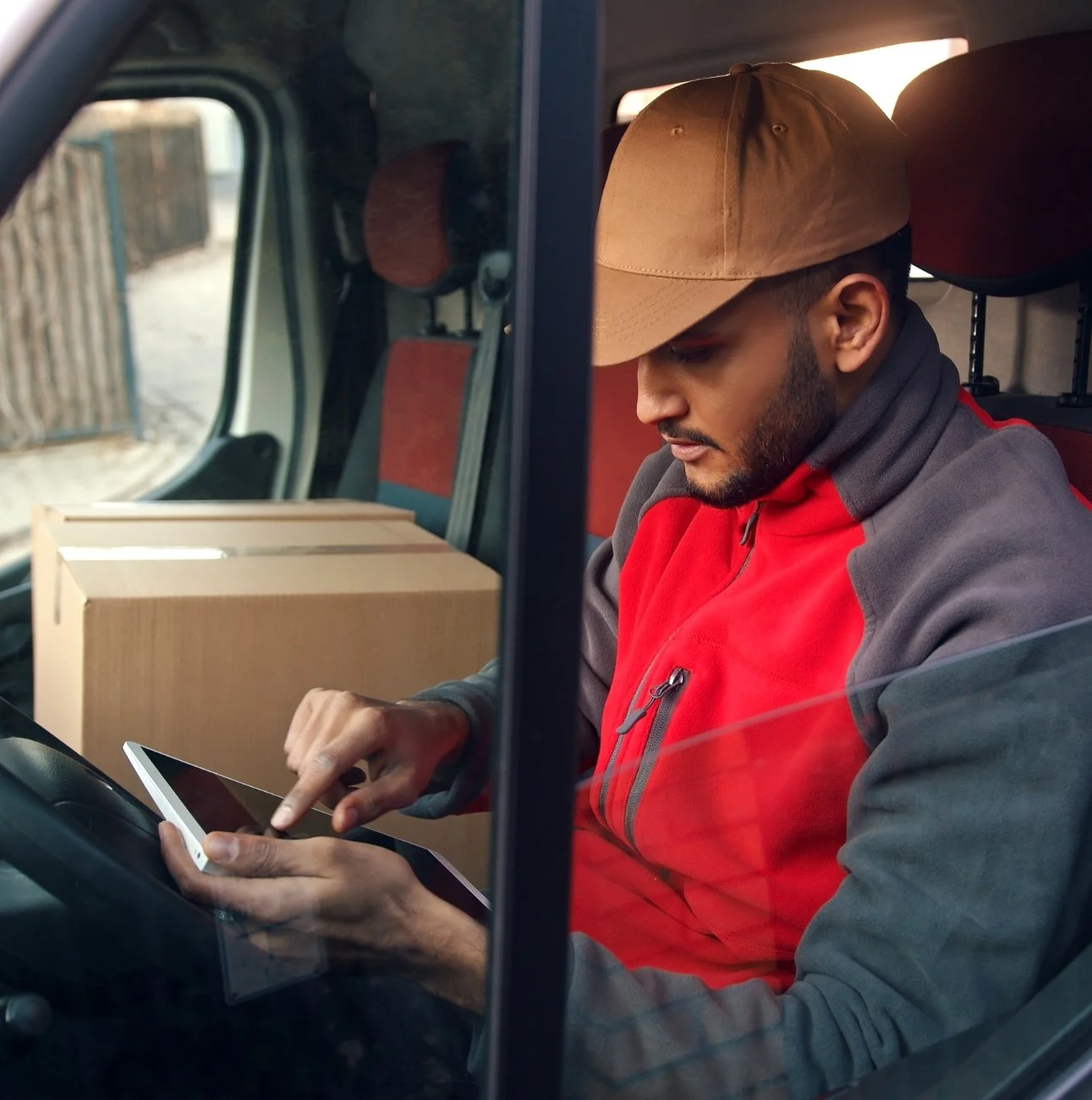
Fleet driver engagement can influence safety, vehicle care, technology adoption and overall fleet performance. Canadian fleet managers can improve driver experience by collecting honest feedback, addressing everyday frustrations and communicating clearly about the use of telematics data. A five-step engagement process that includes listening, prioritizing, piloting, measuring and following up helps organizations identify improvements and evaluate their impact using driver effort, safety, maintenance and trust indicators.
Driver engagement can influence fleet safety, compliance and overall program performance.
Honest, unfiltered driver feedback can reveal problems that traditional surveys miss.
Building trust is essential when introducing telematics and other fleet technologies.
A driver-first approach can improve satisfaction and support long-term retention.
Measuring safety, technology adoption and driver effort helps fleets identify improvements and demonstrate how feedback leads to change.
You can invest in new fleet technology, develop detailed policies and build a carefully considered fleet strategy. But what happens when the people driving your vehicles aren't on board?
Fleet driver engagement can influence everything from vehicle care to safety and technology adoption. And improving it often starts with something surprisingly simple: listening to drivers and understanding what makes their jobs easier.
In a recent conversation on The Fleet Podcast (opens in a new tab), Michael Acosta, global fleet operations specialist at UCB, shared lessons from his experience managing fleet programs. His message for fleet leaders? Better results start with the people behind the wheel.
Improving fleet driver engagement doesn't require an elaborate new program. Start by creating a repeatable process for gathering feedback, making improvements and showing drivers that their input matters.
Here are five steps fleet managers can follow:
1. Listen. Gather feedback through short surveys, service requests and regular conversations. Include drivers from different regions and roles to understand how their experiences vary.
2. Prioritize. Identify one or two recurring frustrations that affect safety, productivity or daily work. Explain why you've chosen to address them first.
3. Pilot. Test potential improvements with a representative group of drivers before introducing changes across the fleet.
4. Measure. Track whether the changes improve technology adoption, maintenance compliance, safety performance or the time drivers spend on administrative tasks.
5. Close the loop. Tell drivers what changed because of their feedback, what couldn't be changed and why.
That final step is particularly important. Asking for feedback means little if drivers never hear what happened to it.
Fleet managers see vehicles through the lens of operating costs, utilization and policy compliance. Drivers experience those same vehicles very differently.
"They're in them. They should know more than anyone what it means to have a good fleet," Michael said.
Sometimes the most valuable feedback comes from unexpected places.
Michael recalled discovering an anonymous industry message board where drivers openly criticized fleet decisions, including vehicle selections. The comments weren't particularly flattering.
"It was very brutal, but it also works."
The experience demonstrated how much useful information can remain hidden when organizations rely exclusively on formal feedback channels.
For fleet managers, the lesson is to make it easier for drivers to speak openly. Anonymous surveys, informal conversations and feedback gathered through maintenance interactions can reveal frustrations that might otherwise go unnoticed.
The challenge is turning those observations into meaningful improvements.
Connected vehicle technology can help fleets identify safety risks, understand vehicle use and improve operations. But collecting more information about drivers can also raise concerns about privacy and monitoring.
"There's enough suspicion about phones, now you've got the car too," Michael observed.
For Canadian fleets, introducing telematics should involve clear communication about how employee information will be handled.
Before deploying a system, work with your privacy, legal and IT teams to answer five questions:
Purpose: Why is each type of information being collected?
Necessity: Is all the information needed to achieve that purpose?
Access: Who can view the information and under what circumstances?
Retention: How long will the information be kept?
Communication: Do drivers understand what is collected and how it will be used?
The Office of the Privacy Commissioner of Canada recommends that employee monitoring be specific, targeted and appropriate, using the least privacy-invasive measures available.
Privacy requirements vary by jurisdiction and sector, so organizations should confirm their obligations before introducing new monitoring technologies.
Clear policies and consistent communication can help drivers understand how telematics supports safety and coaching, rather than leaving them to wonder how the information might be used against them.
For Michael, keeping drivers engaged also comes down to two practical considerations: giving them vehicles they want to drive and reducing unnecessary work.
"They want nice cars. They don't want to be harassed constantly by required driver actions."
At UCB, that means considering driver preferences when selecting vehicles and providing options that reflect different needs, including family-friendly models and EVs.
Vehicle choice is only part of the experience, however.
Think about the administrative tasks that drivers complete every week. Are they repeatedly entering information that's already available elsewhere? Is reporting a maintenance issue straightforward? Can they get help quickly when something goes wrong?
Small frustrations can accumulate, particularly when drivers are already managing demanding schedules.
Reducing unnecessary paperwork, simplifying digital processes and providing responsive maintenance support can make the fleet program easier to work with.
The objective is to make it easier for drivers to do their jobs while meeting the organization's operational and safety requirements.
Driver satisfaction matters, but how can fleet managers tell whether engagement efforts are improving results?
Start with a small set of measures that connect driver experience to everyday fleet operations.
Measure | What to track |
|---|---|
Driver effort | Time spent completing required fleet administration |
Technology adoption | Percentage of drivers completing new processes on time |
Safety | Preventable collisions and high-risk driving events per distance travelled |
Vehicle care | Preventive maintenance compliance and avoidable roadside events |
Driver trust | Percentage of drivers who understand what information is collected and why |
Review these measures alongside driver feedback before and after introducing changes.
For example, if a simplified maintenance reporting process leads to faster reporting and fewer missed appointments, that's useful evidence of improvement. Driver conversations can help explain why the change worked or where further adjustments are needed.
Remember that improvements in these measures don't necessarily prove driver engagement caused them. The value comes from examining the results together and using what you learn to make better decisions.
For multinational fleets, one of the biggest challenges lies in aligning global goals with local conditions. Take as an example. While corporate leadership may push aggressive EV targets, local infrastructure can tell a different story. Michael’s approach is to adapt, rather than resist.
Use hybrids or alternative where EVs aren’t viable.
Document incremental progress.
Provide data to support local decision-making.
This balance ensures progress without forcing unrealistic expectations.
As Michael puts it, "People are the power."
Fleet technology and policies are only as effective as the people using them. When drivers feel heard, understand the decisions affecting them and have the support they need, fleet managers have a stronger foundation for improving performance.
Put your drivers at the centre of your fleet strategy.
Element's fleet management experts can help you improve driver experiences while supporting your organization's safety and operational goals.