
- Region and Language
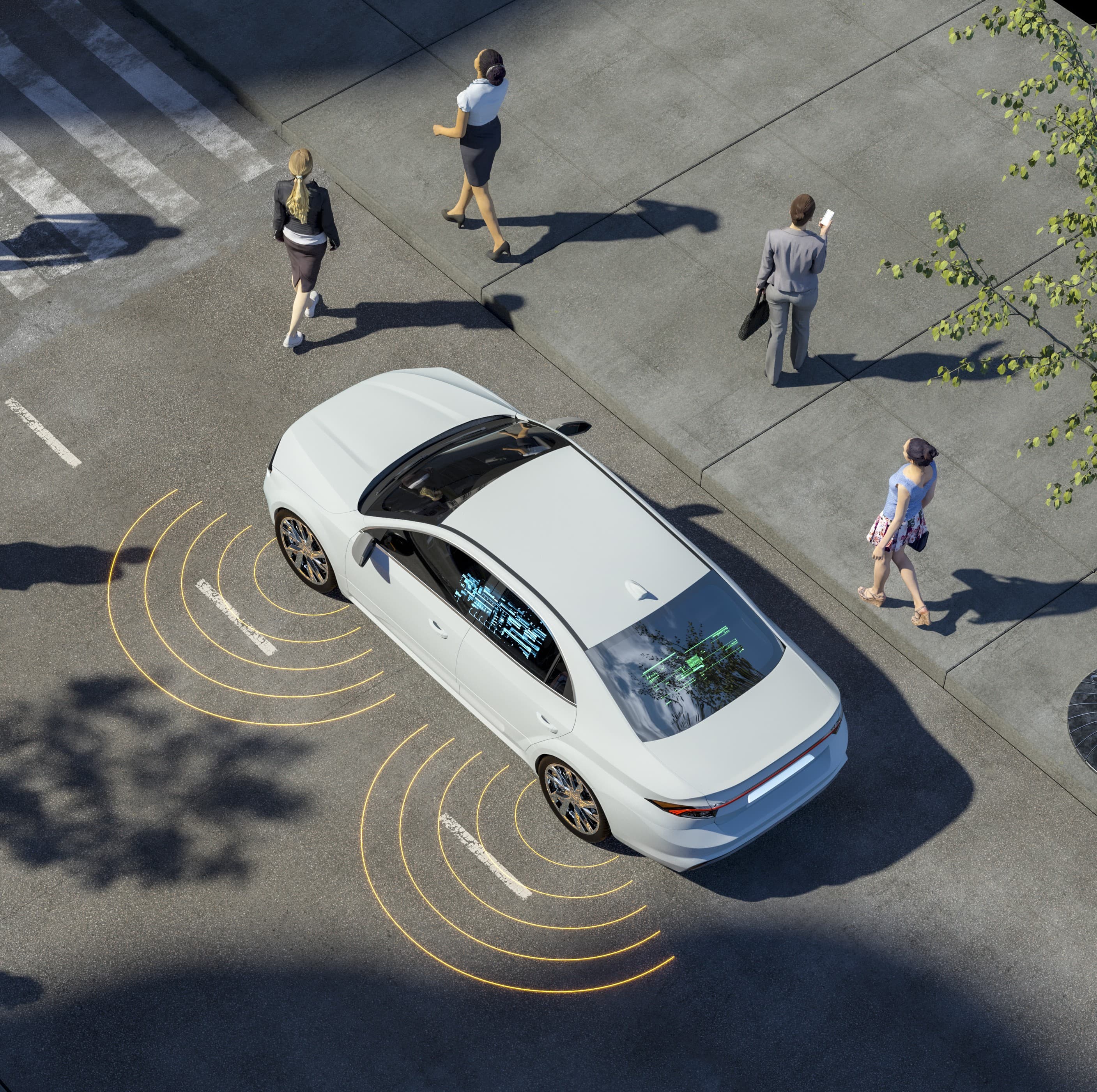
Fleet management technology is entering a new phase. One defined by AI, automation, connectivity and electrification. As autonomous vehicles advance and EV adoption accelerates, fleet leaders are shifting from simply adding vehicles to maximizing the value of the assets they already operate. The competitive edge is no longer just about access to new tools, but about integrating clean, connected fleet data into a unified environment that drives smarter decisions, lower downtime and measurable cost savings. For fleets preparing for 2026 and beyond, the opportunity lies in disciplined experimentation, data integration and operational redesign.
From expansion to optimization: Modern fleet management technology helps fleets increase utilization per vehicle and per mile, without automatically increasing operating costs.
Autonomy changes the economics: Removing driver costs and redesigning operations could dramatically shift ownership models and fleet economics.
Data is the differentiator: As AI tools become widely accessible, competitive advantage will depend on proprietary fleet data that is clean, integrated and structured for action.
Start with integration, not experimentation: Connecting existing systems and eliminating manual data gaps can reduce downtime significantly, often delivering faster ROI than large-scale vehicle upgrades.
From expansion to optimization: Modern fleet management technology helps fleets increase utilization per vehicle and per mile, without automatically increasing operating costs.
Autonomy changes the economics: Removing driver costs and redesigning operations could dramatically shift ownership models and fleet economics.
Data is the differentiator: As AI tools become widely accessible, competitive advantage will depend on proprietary fleet data that is clean, integrated and structured for action.
Start with integration, not experimentation: Connecting existing systems and eliminating manual data gaps can reduce downtime significantly, often delivering faster ROI than large-scale vehicle upgrades.
Over the last decade, more than $1 trillion has been invested in what McKinsey calls the “ACEs” of mobility: autonomous driving, connectivity, fleet electrification and shared or smart mobility. Even more striking, 92% of that capital came from outside the traditional automotive world. This has brought new expectations and a new rate of innovation.
For fleet leaders, that means the future is already arriving in waves, unevenly across markets, technologies and use cases. The real question is how to harness these changes without getting caught in the hype.
In the latest episode of The Fleet podcast, Philipp Kampshoff, co-founder of McKinsey's Center for Future Mobility and Dor Shay, CTO of Element Mobility and Autofleet explore what matters most for fleet leaders navigating autonomous driving, connectivity, electrification and smart mobility today.
Here are some of the highlights of this conversation.
For decades, fleet growth meant one thing: adding more vehicles. Today, it’s more about getting the most out of the vehicles you already have.
With AI, automation and connectivity, fleets can squeeze more value out of every vehicle and every mile, without automatically driving up costs.
One real-world example illustrates the shift. “We were trying to figure out where we should move vehicles, and I literally saw a few people drawing arrows on a Microsoft painter application,” Dor recalls. “Six months later, we were able to completely automate the entire workflow.”
That’s the promise of connectivity and automation: not replacing fleet leaders but elevating them.
Fleet electrification is transformative. Autonomous driving, however, may be structurally disruptive. Today’s robotaxi models are still early-stage, with many operators prioritizing safety before cost optimization. But when autonomy removes the driver, often the largest single cost component in mobility services, the economics shift dramatically.
Phillip points to an eye-opening insight from Washington, D.C. In that city, owning a car becomes more cost-effective than ride-hailing at around 2,500 miles per year. With robotaxis removing driver costs, that break-even point rises to roughly 7,500 miles.
“For 50% of the people living in DC, from a pure economic perspective, it wouldn't make sense to own a car anymore,” Phillip says.
For commercial fleets, the implications are just as significant. Imagine autonomous parcel delivery in dense urban areas. If a vehicle drives itself, who handles the ‘last meter’, the physical act of delivering a package inside a building? Rethinking operations, such as mobile street-based staff serving multiple autonomous vehicles, may unlock real cost savings.
Fleet electrification (opens in a new tab) continues to advance rapidly, but adoption remains uneven globally. For fleet leaders, the key is disciplined evaluation, not blind acceleration.
Battery costs continue to decline, steadily improving the long-term economics of fleet electrification. At the same time, infrastructure remains one of the biggest hurdles. In many markets, charging capacity is limited, and demand changes can quickly complicate the business case. For fleet leaders, that tension between falling vehicle costs and infrastructure constraints can make planning feel uncertain.
Fleets that operate from centralized depots often have a clearer path forward. Their energy demand is more predictable, which makes charging schedules easier to model and optimize. When infrastructure is approached strategically, electrification becomes less about overcoming obstacles and more about designing a system that works for your specific operating model.
The most effective EV transitions start with data: routing patterns, duty cycles, driver behaviour, climate impact and battery sizing decisions all influence total cost of ownership. Without integrated data, fleets risk overbuilding infrastructure or underestimating operational needs.
If there’s one immediate opportunity for fleets, it’s integration.
Dor recalls one case where two production systems were gathering valuable data but weren’t connected. A human intermediary was manually transferring information between them. By integrating the data, we were able to see a 70% reduction in fleet downtime,” Dor said. “70% is huge.”
That level of impact didn’t require new vehicles or experimental technology. It required better data flow. As AI tools become widely available and large language models level the playing field, the real competitive edge won’t be the tech itself. It will be data that is clean, connected and all in one place. Without that foundation, AI becomes a “party trick” instead of a profit driver.
Fleet leaders should start with three fundamentals:
Consolidate data into a unified architecture.
Train the broader organization (not just a small data team) on how to use AI tools.
Tie pilots directly to P&L impact and scaling plans .
Fleet leaders face a delicate balance. Move too fast, and you risk investing in immature technology. Move too slowly, and competitors pass you by.
The answer may be disciplined experimentation.
Pilots don’t always need to be immediately profitable, but they should prepare the organization for future growth.
“The cost of experimentation isn’t just the software,” Dor said. “It’s the organizational buy-in and resources required to make it work. It’s not easy to secure. But if you get it right, the upside is significantly greater because you gain a first-mover advantage.”
Not all innovation requires replacing core assets.
Vehicle technologies, such as electrification or autonomous platforms, are capital-intensive and slower to iterate. Fleet technologies (opens in a new tab) like software, telematics, and dispatch automation often deliver faster ROI and lower switching costs.
For many fleet operators, optimizing routing, dispatch, vehicle utilization and downtime may generate more immediate value than upgrading powertrains.
In a world moving quickly, the easier lever may be the smarter first move.
The mobility ecosystem is expanding beyond traditional players. Partnerships are becoming strategic advantages. Ecosystems may compete more than individual companies. For fleet leaders entering 2026, the advice is clear:
Stay curious
Experiment thoughtfully
Integrate your data
Don’t try to do it alone
The trillion-dollar shift is already underway. The fleets that win will operationalize technology by turning connectivity, autonomy and electrification into measurable, everyday advantages.
Curious about ways to better prepare your fleet for the future? Talk to an Element Trusted Advisor (opens in a new tab) to identify where AI, electrification and data integration can unlock measurable savings in your fleet.
AI improves routing, predictive maintenance, downtime forecasting and asset utilization by analyzing connected fleet data in real time.
Start with integration before expansion. Many fleets can unlock significant value by connecting existing systems, improving data quality and eliminating manual workflows. Once your data is unified, evaluate higher-cost investments such as electrification or autonomous pilots based on total cost of ownership, operational impact and scalability.
Fleet management technology refers to software, telematics, data platforms and analytics tools that help organizations optimize vehicle utilization, reduce downtime and improve total cost of ownership.