
- Region and Language
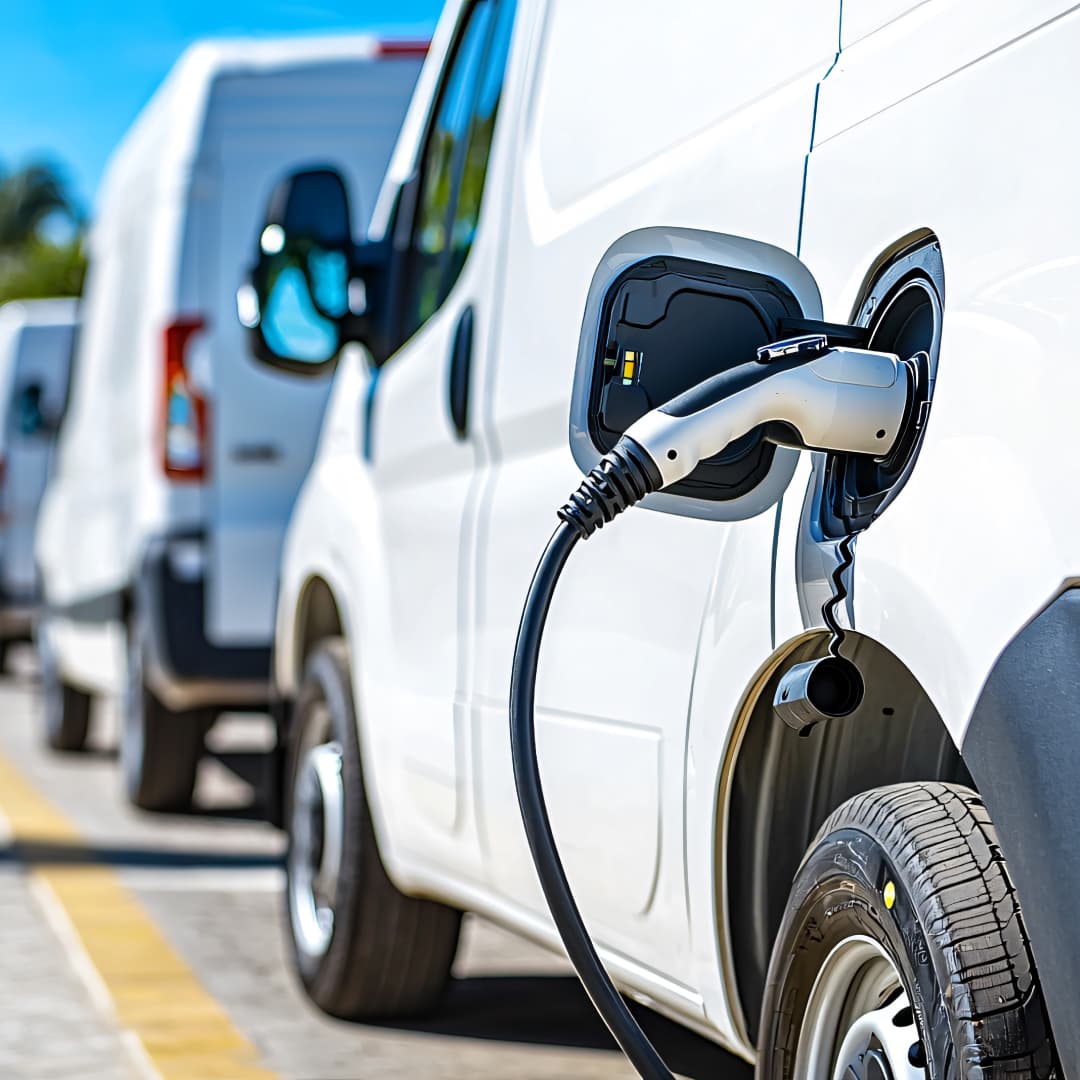
Fleet electrification is a leadership challenge that demands coordination, creativity, and conviction. AstraZeneca’s experience in Latin America illustrates how vision and collaboration can turn ambition into measurable results, even in markets where infrastructure and policy are still evolving. For fleet and business leaders, the path forward lies in building partnerships, empowering people, and embedding sustainability into every decision. The companies that start today will define the future of mobility tomorrow.
Top-down support for electrification is essential. Executive sponsorship and a clear sustainability mandate enable fleet teams to act decisively and align investment with long-term goals.
Engaged employees accelerate adoption. Making EVs aspirational and involving drivers with tactics that drive excitement early helps turn fleet transitions into cultural wins.
Build ahead of the market. Infrastructure gaps shouldn’t delay action, so partnering with OEMs, governments, and suppliers to build your own infrastructure can accelerate readiness while reducing cost.
Strong supplier relationships matter. Transparency, shared KPIs, and sustainability standards create lasting value across the supply chain.
Measure the ROI of sustainability. Tracking cost savings, emissions reductions, and employee engagement proves that electrification delivers both impact and efficiency.
Top-down support for electrification is essential. Executive sponsorship and a clear sustainability mandate enable fleet teams to act decisively and align investment with long-term goals.
Engaged employees accelerate adoption. Making EVs aspirational and involving drivers with tactics that drive excitement early helps turn fleet transitions into cultural wins.
Build ahead of the market. Infrastructure gaps shouldn’t delay action, so partnering with OEMs, governments, and suppliers to build your own infrastructure can accelerate readiness while reducing cost.
Strong supplier relationships matter. Transparency, shared KPIs, and sustainability standards create lasting value across the supply chain.
Measure the ROI of sustainability. Tracking cost savings, emissions reductions, and employee engagement proves that electrification delivers both impact and efficiency.
As organizations around the world set ambitious net-zero targets, few areas present as much potential for impact as fleet electrification. In Latin America, however, infrastructure and regulatory readiness vary widely from country to country, making measurable progress especially difficult.
One person leading change in this complex environment is Alejandra Torres, Senior Director of Procurement for Latin America at AstraZeneca. In the company’s regional fleet transformation, Torres sees not just an operational shift but a moral imperative. In a recent episode of our podcast, The Fleet (opens in a new tab), she notes that an estimated 1.4 million people die each year from illnesses related to air pollution. A stark reminder that decarbonizing fleets isn’t only about reducing costs or meeting targets; it’s about improving public health and protecting future generations. In our conversation with Alejandra, she discussed how vision, partnerships, and people-centric planning can turn sustainability commitments into tangible results.
Any successful transition to electric and hybrid vehicles requires cultural and organizational alignment. According to Alejandra, executive sponsorship was the foundation for success. AstraZeneca’s leadership had already set a 2030 carbon-zero target, which gave the procurement and fleet teams both a mandate and the confidence to act.
The first step was building a robust business case. Her team found that it was roughly 30% more than traditional fleet vehicles, so they collaborated with finance, HR, and corporate affairs to evaluate long-term value. They examined total cost of ownership (TCO), charging infrastructure, and vehicle acquisition models, moving from ownership to leasing to minimize capital impact.
Lesson for fleets: The business case for EVs is not just about cost, it’s about risk reduction, brand reputation, and future-proofing operations. Success starts when sustainability objectives are embedded into the company’s core strategy.
It’s been said that organizational change is most effective when people feel like it’s happening with them, not to them. Fleet transitions can fail if people feel the change is being imposed on them. Because of this, Alejandra’s team made employee engagement a priority. Working with HR, they positioned EVs as an upgrade, not a trade-off. They were offering higher-end models within the same budget brackets and inviting employees to test-drive new vehicles.
That proactive approach paid off. Interest in EVs surged once employees experienced the technology firsthand, and the fleet shift became a point of pride rather than resistance.
Lesson for fleets: Behavioural adoption is as important as infrastructure readiness. When employees are engaged early, they become ambassadors for change rather than barriers to it.
Across Latin America, one of the biggest barriers to EV adoption remains the lack of charging infrastructure. AstraZeneca’s approach was to build ahead of the market. Instead of waiting for national networks to mature, the company invested in installing charging stations at both offices and employees’ homes in key markets such as Mexico, Brazil, and Costa Rica.
Partnerships played a crucial role. Collaborations with local governments, embassies, and OEMs helped expand access and reduce costs. In markets where full electrification wasn’t yet practical, hybrid vehicles were introduced as a bridge solution.
Lesson for fleets: Don’t wait for perfect conditions. Start where you can, partner creatively, and build flexibility into your rollout. Incremental progress compounds quickly.
While electric vehicles can come with higher upfront costs, long-term benefits are tangible. Torres’s team found that fuel-related expenses (opens in a new tab) dropped by approximately 60% after the transition, due mainly to lower electricity costs and tax exemptions in some markets. Maintenance costs (opens in a new tab) have also declined, and early data suggests EV batteries are lasting longer than traditional engines.
This is what Torres describes as a “return on responsibility” which is the measurable business gains that come from doing the right thing. Lower costs, improved employee engagement, and a stronger sustainability reputation all reinforce one another, proving that environmental responsibility and financial performance can move in the same direction.
Lesson for fleets: The ROI of electrification goes beyond the balance sheet. Reduced operating costs, improved employee satisfaction, and reduced carbon emissions all contribute to long-term business resilience.
Fleet electrification is only one pillar of a broader decarbonization strategy. AstraZeneca has also reduced emissions through smart travel policies which encourage employees to track the CO₂ impact of business trips and opt for virtual meetings where possible.
The company also eliminated most printed promotional materials in favour of digital detailing for healthcare professionals, achieving a 57% reduction in print usage across the region without compromising engagement.
Lesson for fleets: Sustainability gains multiply when cross-functional initiatives work together. Fleet, travel, and marketing teams all influence an organization’s carbon footprint and each presents unique opportunities for innovation.
For fleet and business leaders, AstraZeneca’s journey underscores a simple truth: sustainability succeeds when it is intentional, inclusive, and data-driven. Whether operating in emerging markets or mature economies, organizations can take concrete steps today to electrify their fleets, strengthen partnerships, and embed sustainability into their operating DNA.
Fleet electrification is more than just a technology shift. It’s a leadership opportunity. The companies that embrace it now will define the next generation of sustainable mobility.