
- Region and Language
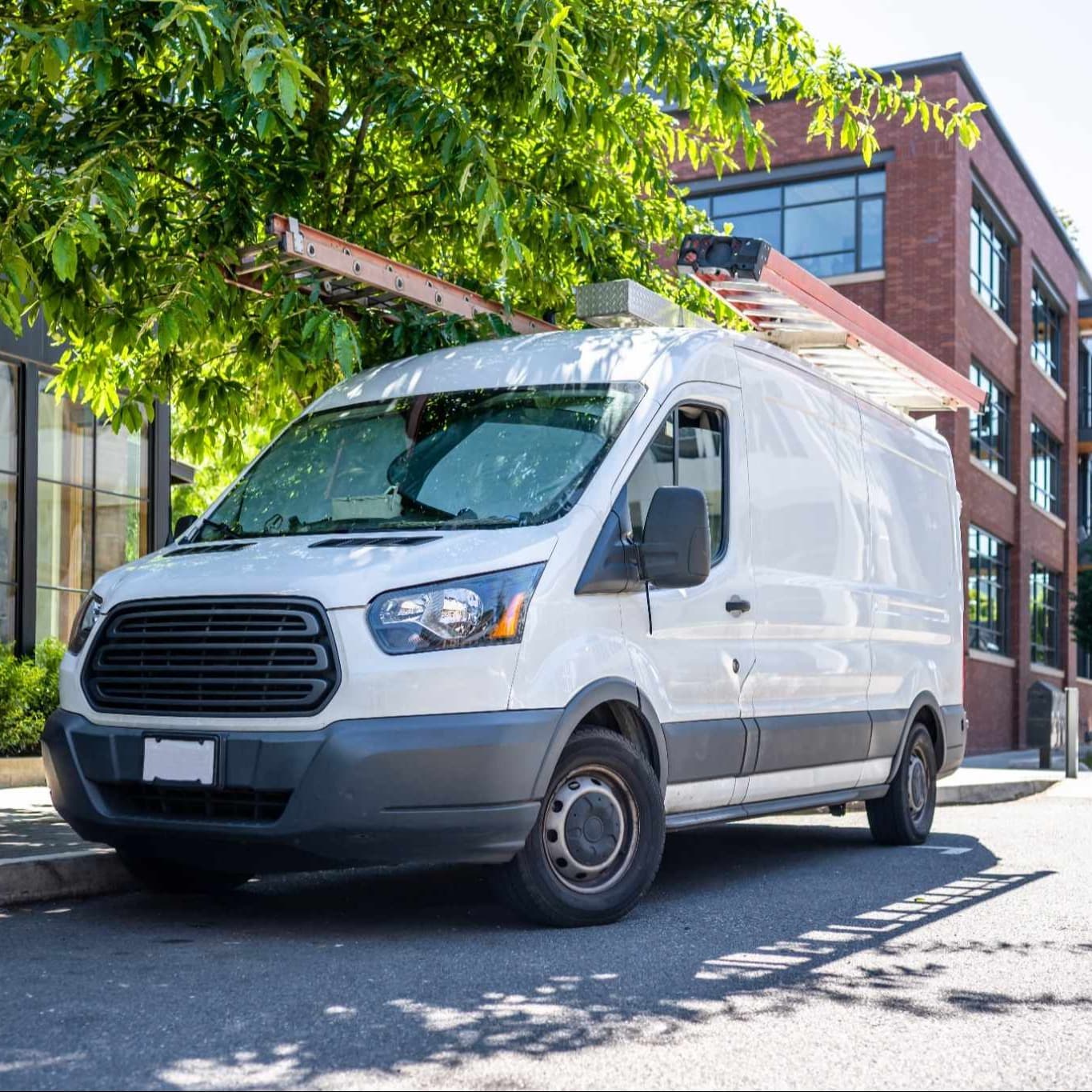
Cost saving is becoming a bigger priority for fleets, but the lowest-cost decision today can create higher costs tomorrow. As fleet leaders plan for 2027, the opportunity is to look beyond acquisition price and focus on the investments that improve uptime and long-term performance. That means understanding driver behavior, improving maintenance data, choosing fleet technology carefully and measuring the KPIs that actually matter.
Think beyond purchase price: Acquisition price is only one part of the equation. A part, service or technology that costs more upfront may deliver more value when it lasts longer.
Drivers shape fuel economy: Driver behavior can create a 35% difference in fuel economy, making training and driving practices significant opportunities for fleets looking to control fuel costs.
Better data, better decisions: Standardized, high-quality maintenance data helps fleets identify patterns, benchmark performance and understand where costs are really coming from.
Help AI help you: AI in fleet management can support diagnostics, technician scheduling and parts availability, but only when fleets have good data and people who can validate the results.
Think beyond purchase price: Acquisition price is only one part of the equation. A part, service or technology that costs more upfront may deliver more value when it lasts longer.
Drivers shape fuel economy: Driver behavior can create a 35% difference in fuel economy, making training and driving practices significant opportunities for fleets looking to control fuel costs.
Better data, better decisions: Standardized, high-quality maintenance data helps fleets identify patterns, benchmark performance and understand where costs are really coming from.
Help AI help you: AI in fleet management can support diagnostics, technician scheduling and parts availability, but only when fleets have good data and people who can validate the results.
Every fleet leader wants to control costs, but what happens after the cost is cut matters just as much. A lower-cost decision today can lead to higher costs down the road. In a recent episode of , Robert Braswell, executive director of the Technology and Maintenance Council at the American Trucking Associations, joined host Chris Brandt to discuss what fleets are betting on for 2027 and how to balance short-term savings with long-term performance.
According to , 78% of fleet leaders prioritize cost savings, making it their top focus for 2026. But reducing fleet costs doesn’t always mean choosing the lowest-priced option. A fleet operator may be better off paying more for a component if it lasts longer. The same applies to maintenance, technology, and replacement. Leaders need to consider maintenance expenses, downtime and service life. Focusing on upfront acquisition costs means little if a vehicle spends more time off the road later.
Fuel efficiency is often treated as an equipment decision, but fleet driver behavior can have a bigger impact. Robert pointed to Technology and Maintenance Council (TMC) research showing a 35% difference in fuel economy between a good driver and a bad driver. Poor driving behaviors such as aggressive acceleration and harsh braking can increase fuel costs. This indicates that fleet driver training and coaching deserves the same amount of attention as equipment specifications.
Fleet leaders have more data than ever, but more information does not automatically lead to better decisions. “You have to have good data. You have to know your own operation very well,” Robert said.
Robert shared an example involving fleets that were replacing headlights much more frequently than expected. At first, the problem appeared to be the headlights themselves. A deeper analysis showed something different: failures were concentrated in one particular truck model because of a vibration problem in the chassis.
That connection became visible because maintenance and parts information could be compared consistently.
Standards such as the Vehicle Maintenance Reporting Standards, or VMRS, give fleets a common way to classify vehicle specifications, parts, labor, and repairs. That makes it easier to identify patterns inside the fleet and benchmark performance against other operations.
Technician shortages continue to put pressure on operations. But Robert argues the issue is more complicated than a lack of people entering technical programs. The bigger challenge can be turning new technicians into qualified professionals and keeping them in the industry.
New technicians may leave within their first couple of years because the job, schedule or shop environment does not match what they expected. That means fleets need to think about the full technician experience. Mentoring can help.
Robert recommends pairing newer technicians with experienced employees who can guide them without acting as their direct supervisor. Tool programs can reduce another major barrier, since technicians may otherwise have to spend thousands of dollars on their own equipment.
Retention also comes down to basics. A well-lit, comfortable shop and shifts that work for today's workforce can support the people keeping assets productive.
Training budgets may look like an easy place to save, but vehicle technology is becoming more complicated. Electrical systems, diagnostics, onboard electronics, emissions systems and Advanced Driver Assistance Systems (ADAS) require technicians to keep building their skills.
When knowledge does not keep pace, fleets may experience inefficient repairs and more downtime. Continuing education is important even when budgets are tight.
Partnerships with technical schools and community colleges can help fleet leaders train for the skills today's operations require, so they can build a workforce capable of maintaining complex vehicles.
Fleet maintenance is ultimately about keeping vehicles available and ready to work. That means investments in equipment, maintenance, and people should support uptime, not just short-term savings.
As Robert pointed out, a decision that looks good on this quarter’s budget can create more downtime later. That’s where KPIs help. Metrics such as preventive maintenance completion, roadside maintenance events, warranty recovery and vehicle uptime can show whether cost-saving decisions are actually improving fleet performance.
Artificial intelligence is part of nearly every fleet technology conversation, but fleets should avoid adopting it simply because it is available.
“AI has got to be more than the soup du jour,” Robert said. “It has to be something that really makes sense for your operation.”
could identify problems before a vehicle reaches the shop, make sure the right parts are ready or match work with technicians who have the right expertise. But it depends on good data, a clear purpose and people who can validate the recommendations. Used this way, AI can help technicians work more efficiently and make better use of their expertise.
What works for a long-haul fleet may make little sense for another vocation. One operation may prioritize fuel economy, while another needs to maximize payload or cargo volume. Some fleets may benefit from driver assistance systems, while others may find value in emerging powertrains or automation.
The goal is not to adopt every new technology first, but to understand whether an investment improves safety, productivity, cost, or uptime. can help uncover gaps in your current strategy and identify where your fleet has the greatest opportunity to improve.
Cost pressure is not going away, and neither is vehicle complexity. The stronger approach is to look at the whole lifecycle.
How much is downtime affecting the business? Could better driver behavior improve fuel performance? Do technicians have the training and support they need, and is your fleet maintenance data helping you spot the right patterns?
Answering those questions can help fleets make smarter decisions for 2027 while keeping today’s operation running strong.