
- Region and Language
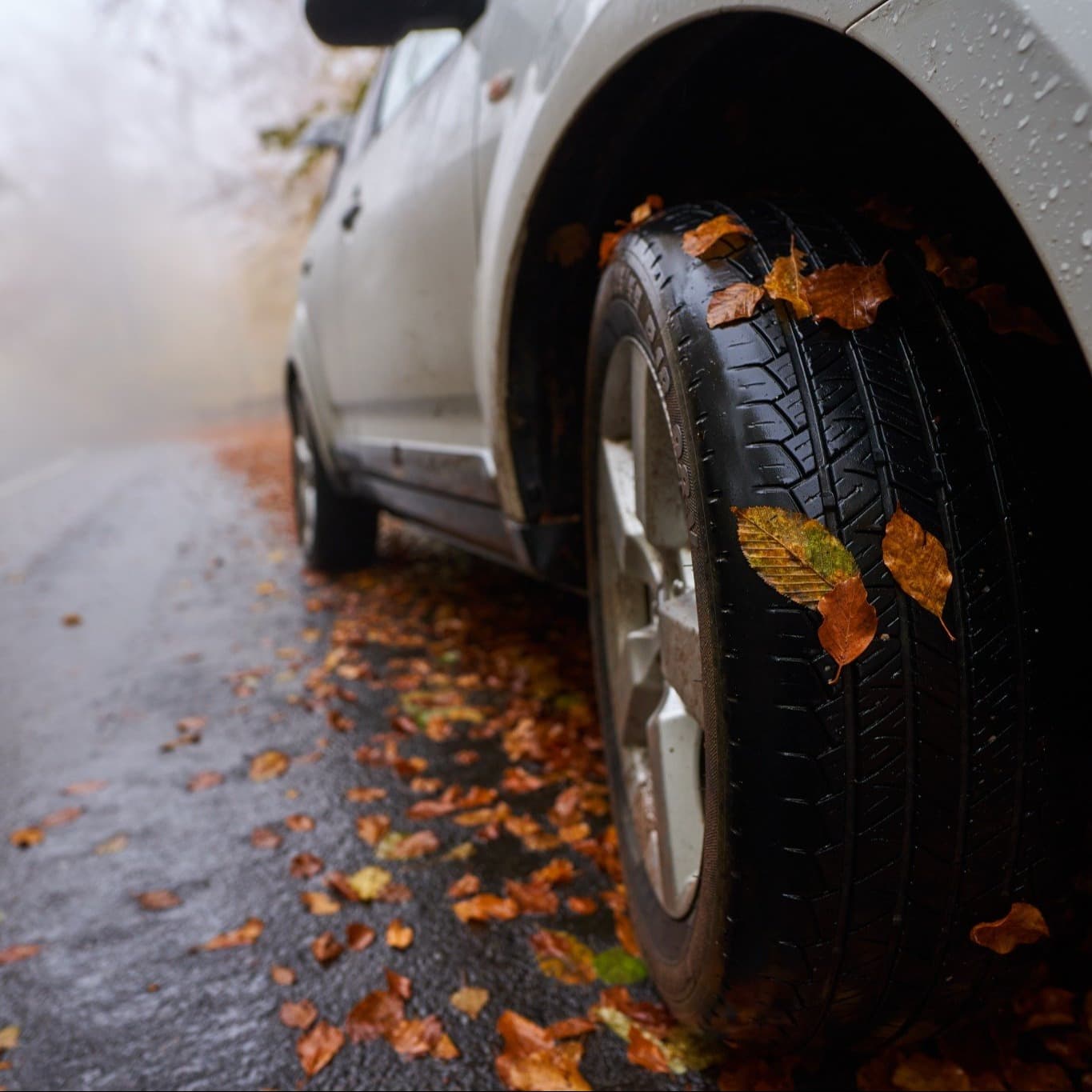
Fall is just around the corner, which means it’s time to prepare for noticeably shorter days, cooler temperatures, increased wildlife activity, and wet leaves on the road. These seasonal changes can create new hazards for drivers, making it important to adjust how you drive. Use these fall driving safety tips to prepare for changing road conditions and stay safer behind the wheel.
Changing road conditions: Wet leaves and frost can affect traction, while glare can make it harder to see the road ahead.
Wildlife collision risk: Animal-strike claims are highest in November, making extra awareness especially important during fall.
Reduced visibility at twilight: Pedestrians and cyclists can be harder to see as daylight hours shorten.
Seasonal tire changes: Winter tires outperform all-season tires once temperatures consistently fall below 7 °C or 45 °F.
Fall vehicle maintenance: Seasonal maintenance, including windshield care, can help improve visibility and vehicle readiness.
Rain can make fallen leaves particularly slippery. Leaves can also cover lane markings and potholes, making it harder to see what’s ahead and maintain control. At 45 mph/72 km/h, it can take 200 feet/61 meters to stop on wet, leaf-covered pavement, compared with 80 feet/24 meters on dry roads.
Tip: Reduce your speed on leaf-covered roads and leave more space between your vehicle and the one ahead. Avoid hard braking or sudden steering on wet leaves, especially when turning.
Wildlife collisions become a greater concern in the fall, particularly as deer activity increases. November sees the highest number of insurance claims (opens in a new tab) related to animal strikes, making awareness especially important during this time of year. Deer also tend to travel in groups, so seeing one by the road may mean others are nearby.
Tip: Use high beams when safe on rural roads and scan the roadside for movement, especially around dusk and dawn. If you spot a deer, slow down immediately because others are likely close by. For more wildlife related tips, .
The sun sits lower in the sky during autumn driving, creating intense glare during morning and evening commutes. Glare can significantly reduce visibility, making it difficult to see traffic lights, signs, or pedestrians.
Tip: Keep your windshield spotless inside and out, wear polarized sunglasses, and adjust your sun visor before heading out. Slow down and increase following distance when glare reduces your visibility.
As daylight hours shorten, drivers are more likely to encounter pedestrians and cyclists in lower-light conditions, making them harder to spot.
Tip: Reduce your speed in residential areas and near schools. Always check mirrors and blind spots when turning or backing up. Anticipate slower movement at crosswalks and intersections.
Morning frost obscures windshields and mirrors, while fog reduces visibility and can cause drivers to misjudge distances. Bridges and overpasses freeze before other parts of the road, adding hidden danger.
Tip: Allow for extra time in the morning to fully defrost your windshield. When driving in fog, you should use low-beam headlights (never high beams), reduce speed, and increase your following distance to give yourself more reaction time.
Tires directly affect braking, handling, and stability. Using the wrong tires for the season compromises safety and increases the risk of accidents.
Tip: Follow the 7 °C or 45 °F rule: Switch to winter tires once daily temperatures consistently remain below 7 °C or 45 °F. Winter tires perform best in cold weather because of softer rubber compounds and deeper tread patterns.
Don’t wait until the first snowfall. Change tires early in the season to ensure maximum grip during cold, wet, and icy conditions. Waiting too long risks sliding, longer stopping distances, and premature tire wear. Make sure you check and follow your fleet’s tire policy to stay compliant.
Regional requirements: In Canada, Quebec mandates winter tires from Dec 1–Mar 15 and certain parts of British Columbia require winter or M+S (mud and snow) tires from Oct 1–Apr 30.
In the U.S., requirements vary by state. Colorado, for example, has traction requirements on designated roads that may require all-wheel drive (AWD) or four-wheel drive (4WD) with adequate tires, M+S-rated tires, or other approved traction equipment. Check the requirements for the regions and routes where your fleet operates.
Changing weather and road conditions means drivers need to adjust their habits throughout the season. By following these autumn driving tips and preparing your vehicle with seasonal maintenance such as timely tire changes, you can reduce risk and stay safer on the road this fall.
If you need help making sure your vehicle is prepared for the season, . We can help you stay on top of your vehicle’s maintenance needs so you can head into fall with confidence.
Reduced daylight, slippery leaves, increased wildlife activity, sun glare, frost, and fog can create additional hazards for drivers. Following the right autumn driving tips can help you adjust to these changing conditions and stay safer on the road.
Follow these fall driving safety tips to prepare for seasonal hazards on the road: slow down on wet leaves, watch for wildlife, manage sun glare, stay alert for pedestrians and cyclists at dusk, and prepare for frost and fog.
When driving in fog, use low-beam headlights, reduce your speed, and maintain a larger following distance.
Switch to winter tires when daily temperatures consistently stay below 7 °C or 45 °F. In some regions, including Quebec and certain areas of British Columbia, winter tires or qualifying tires are legally required during specific months. Make sure you also check and follow your fleet’s tire policy.